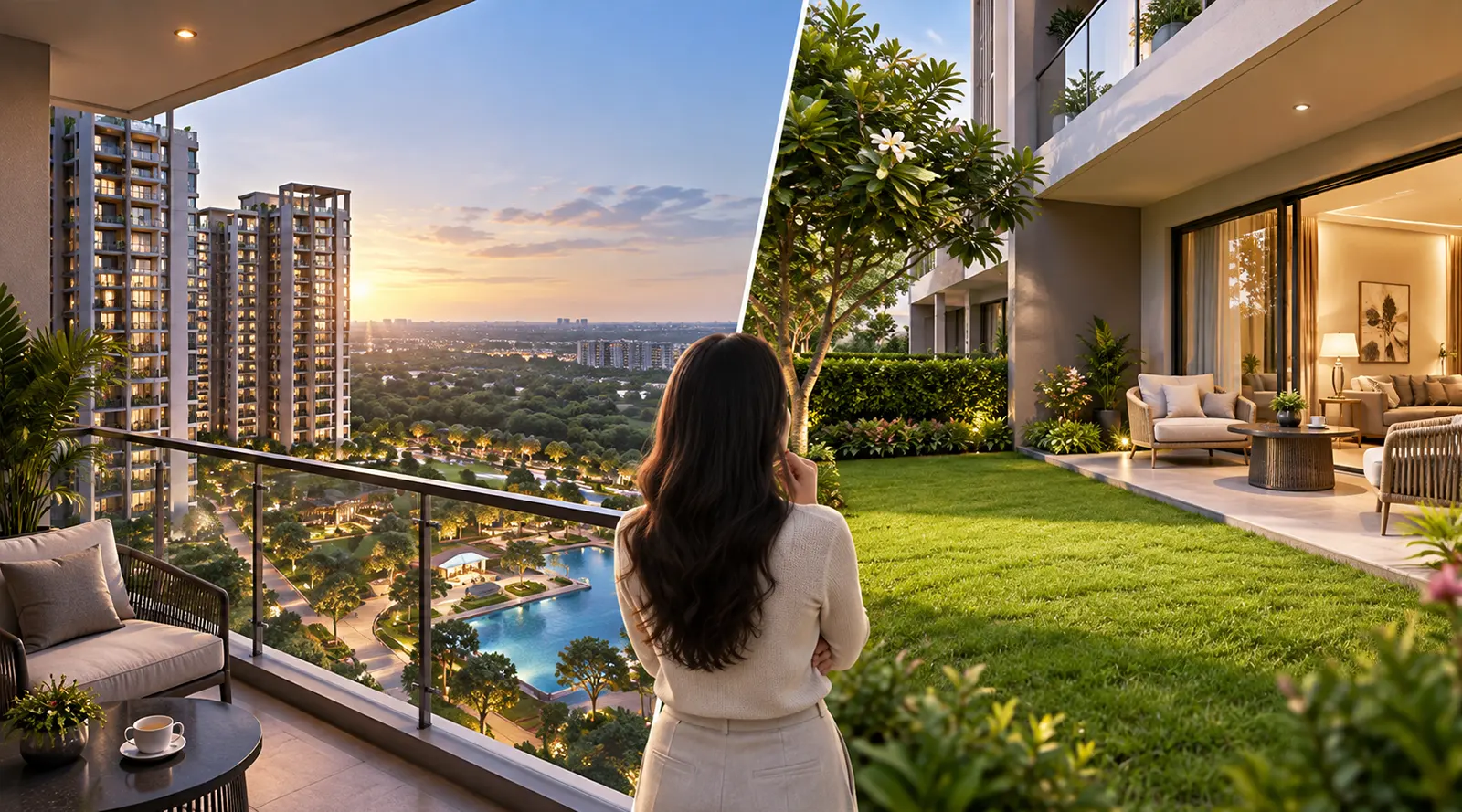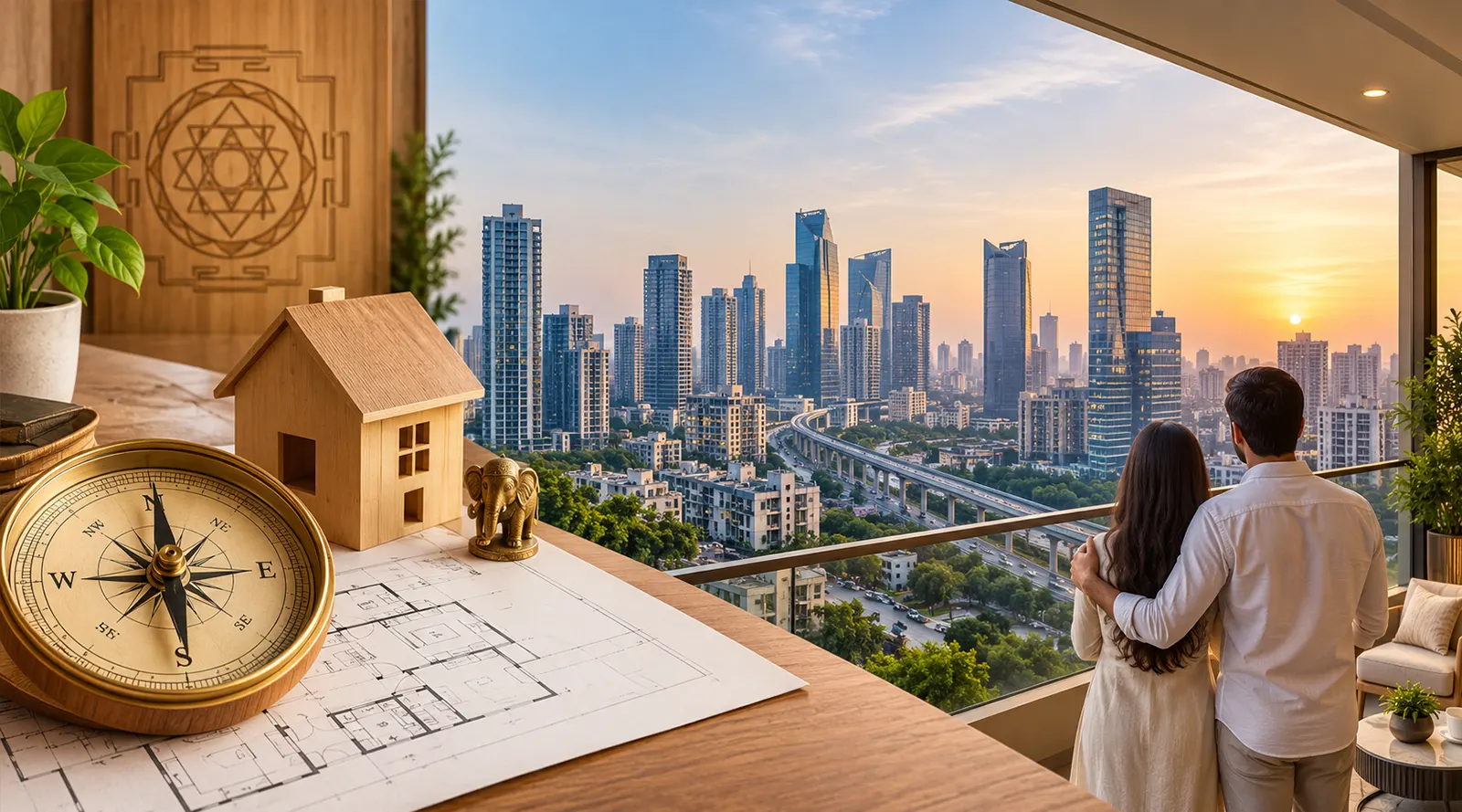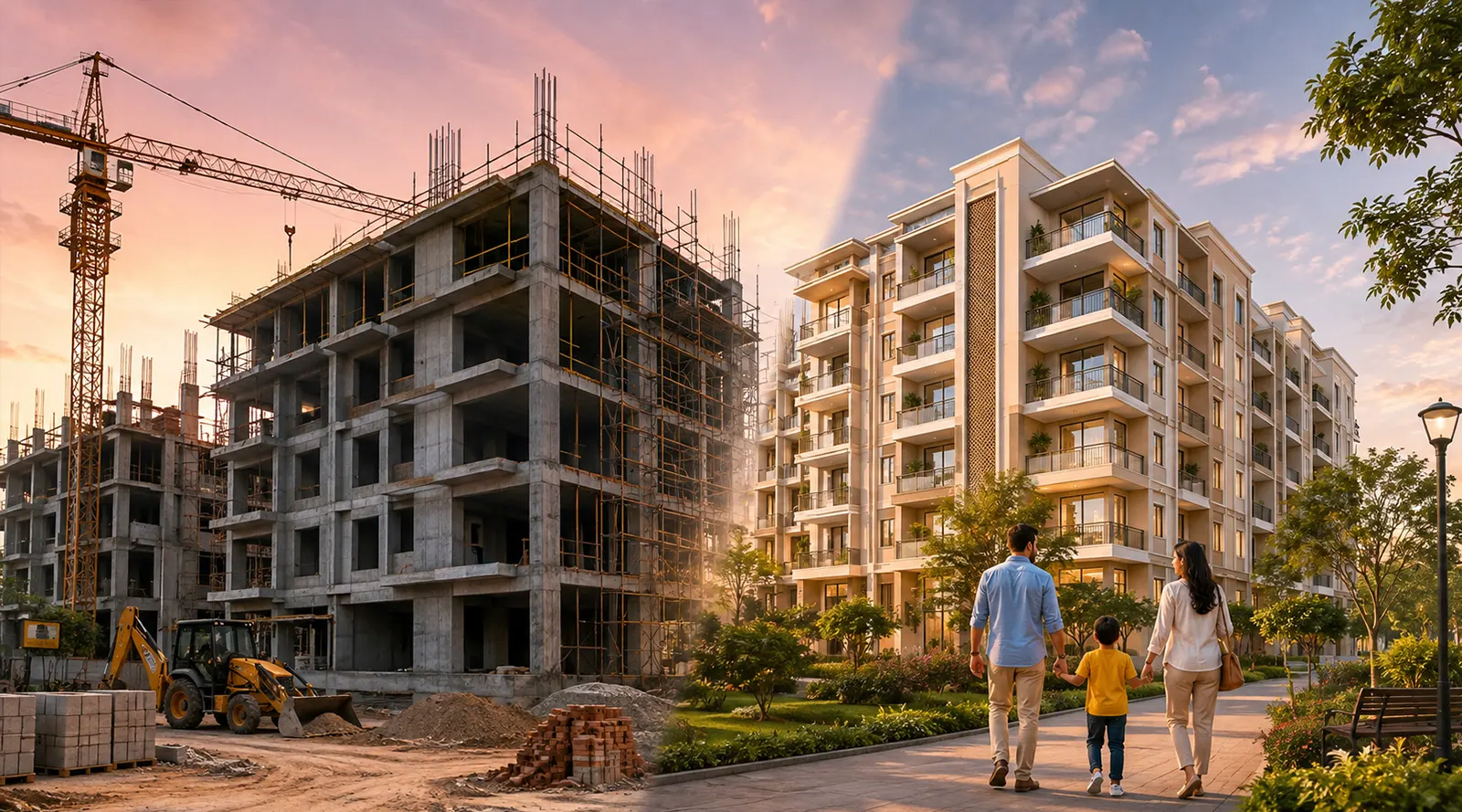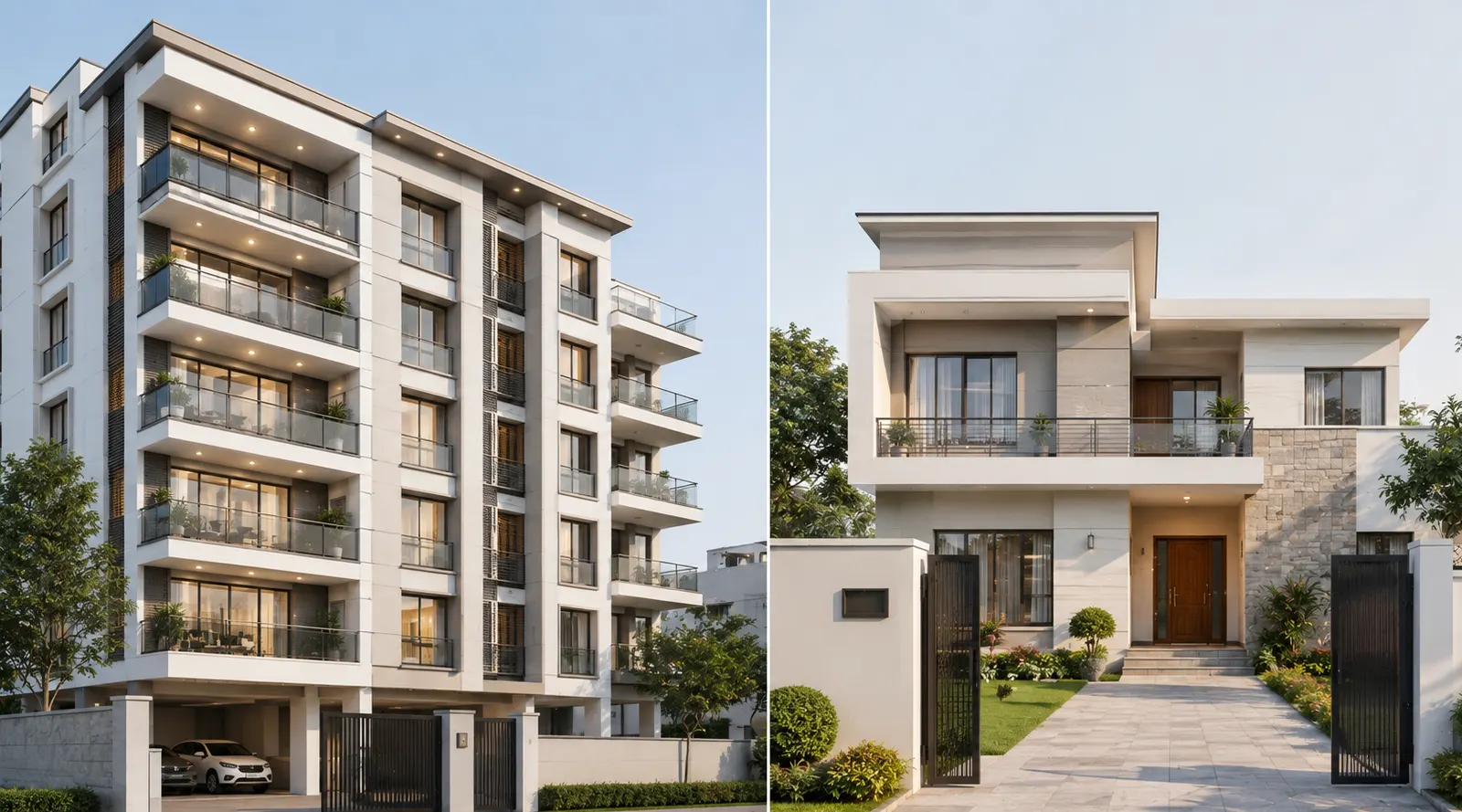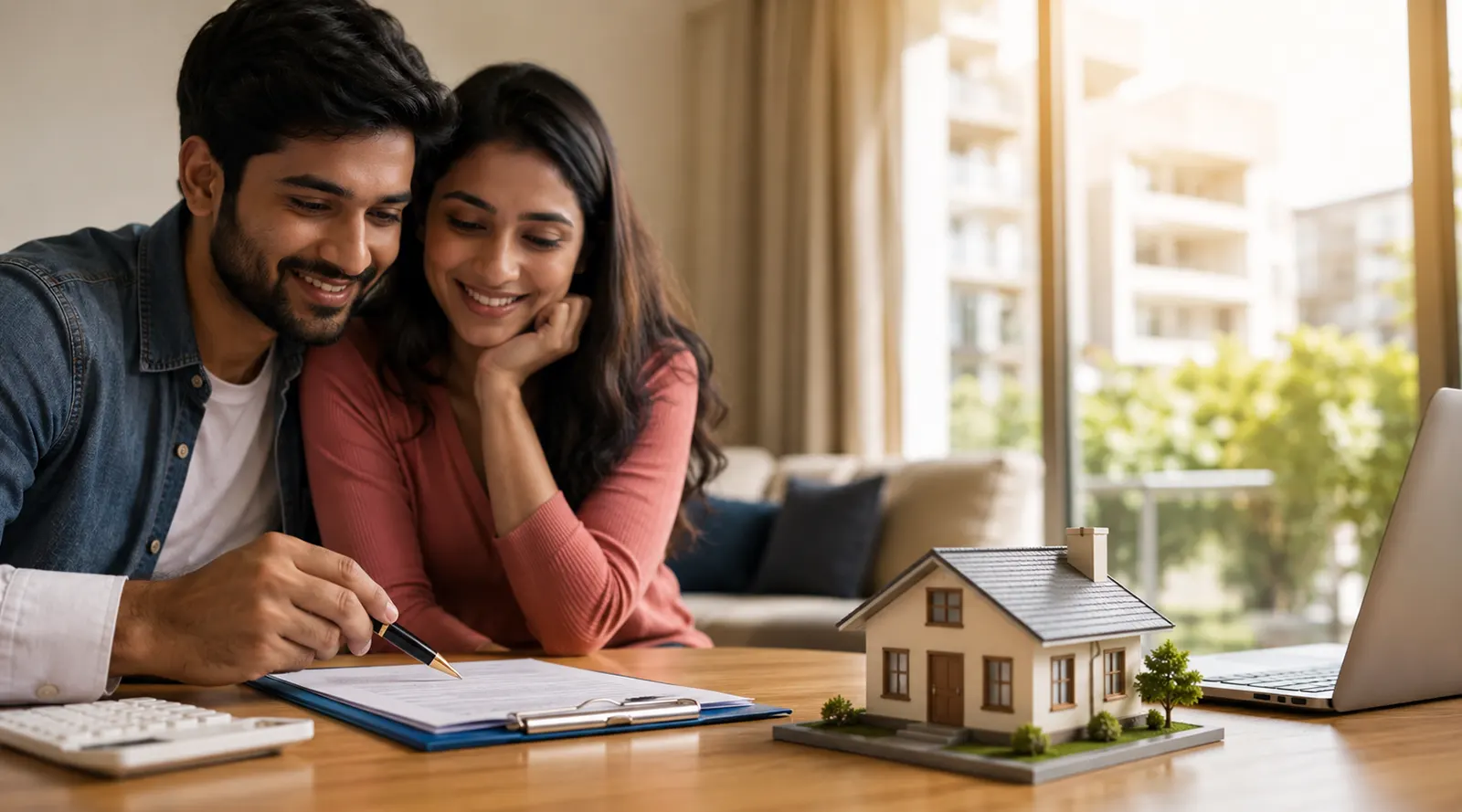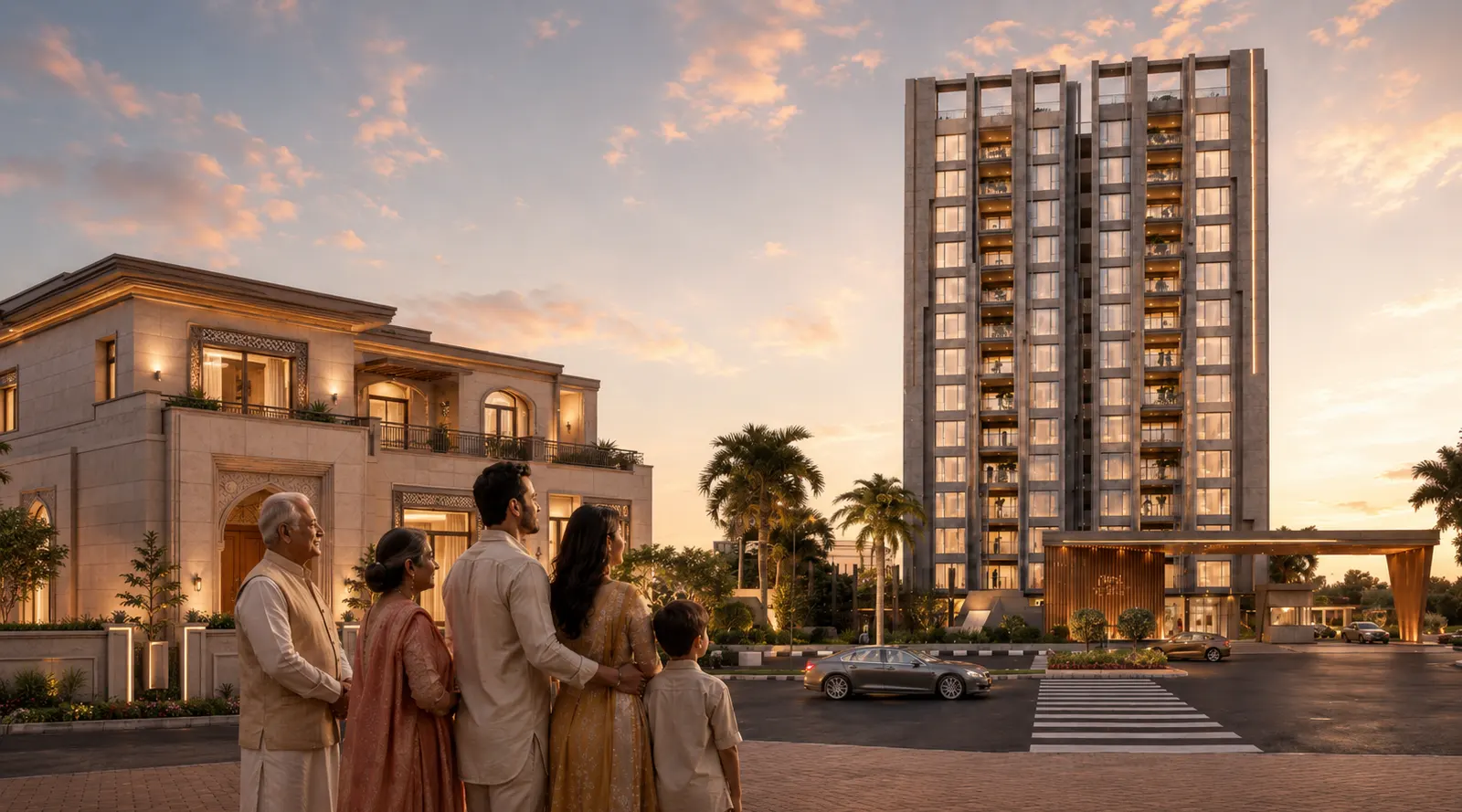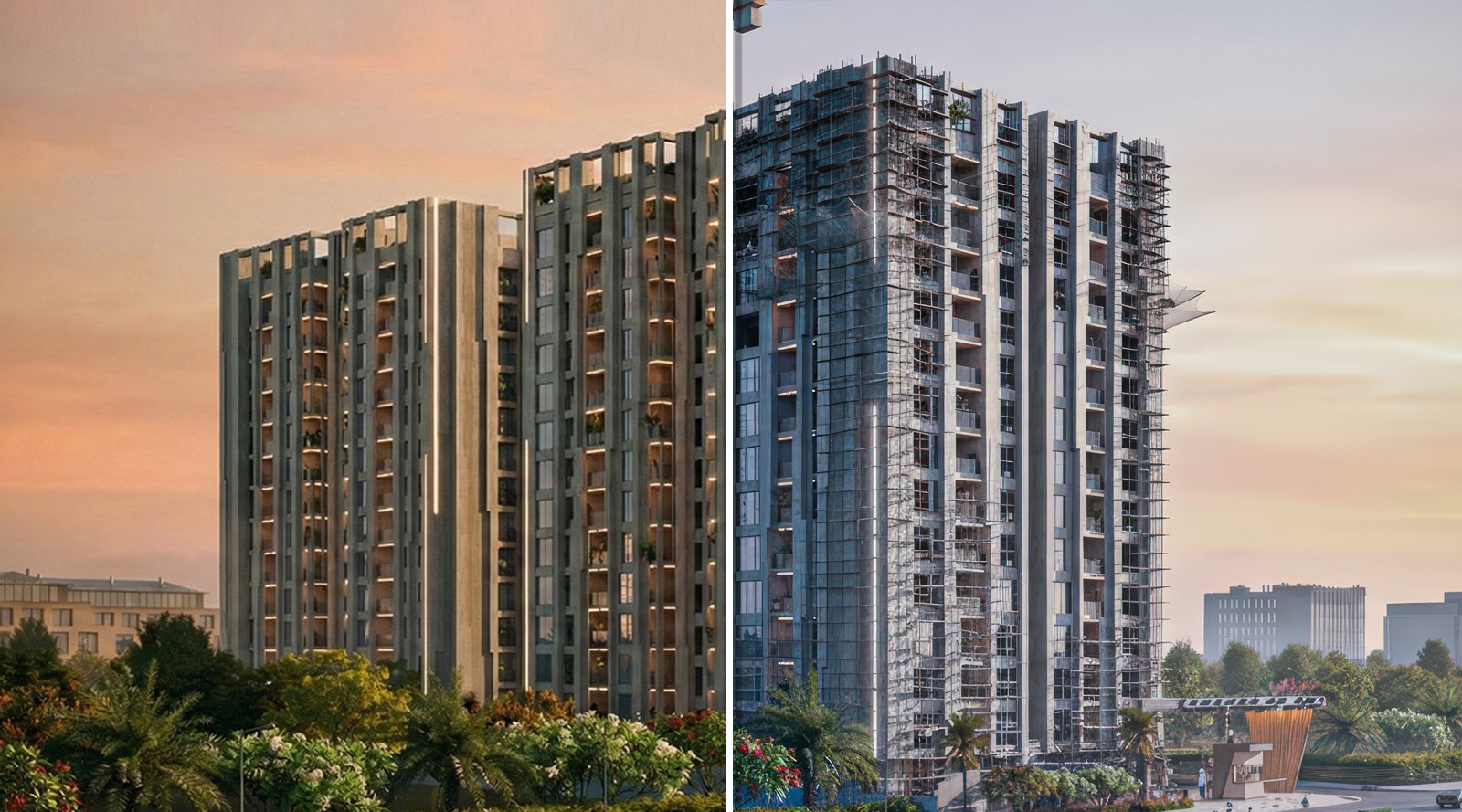
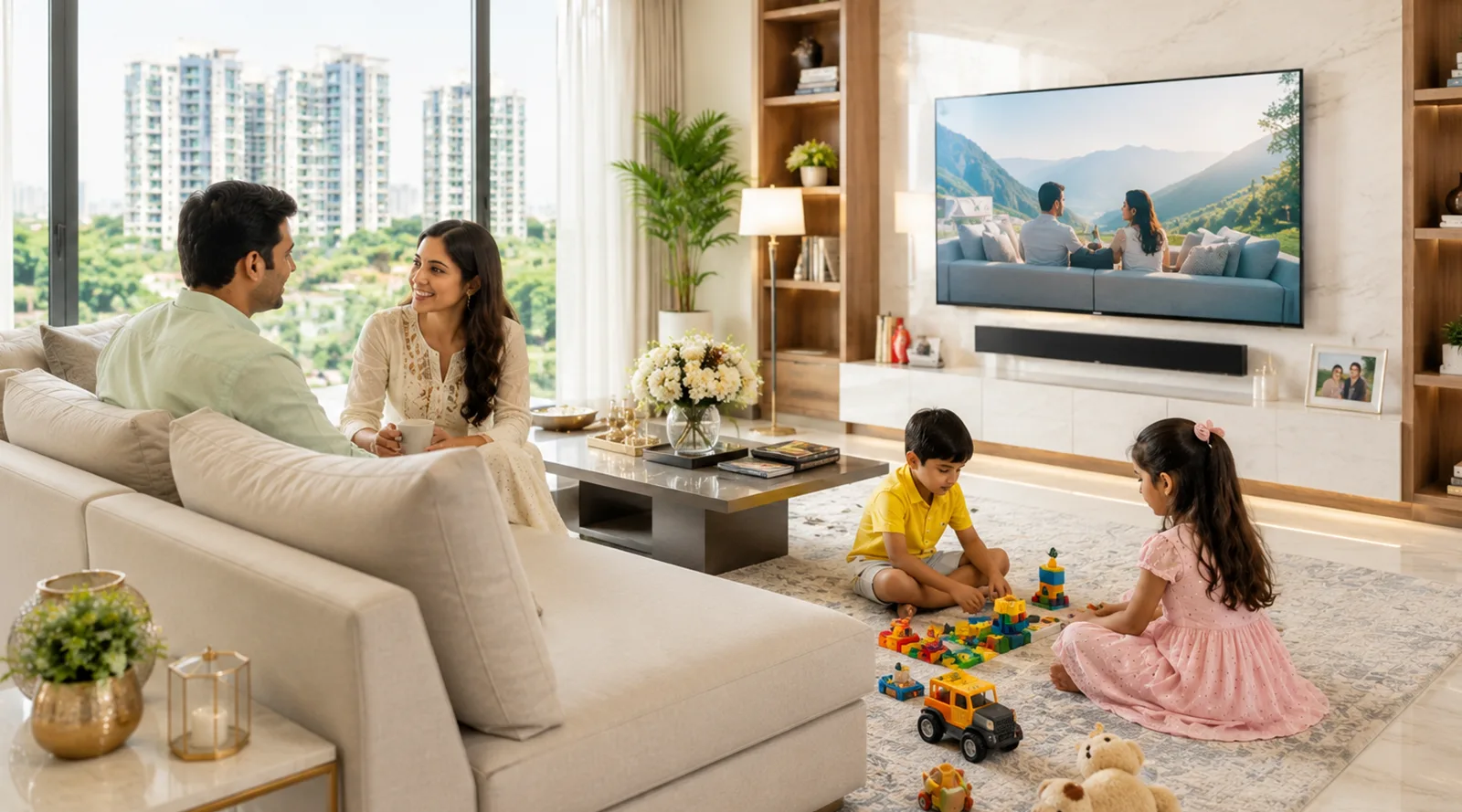
For most people, buying a home is far more than a financial investment. It is an emotional milestone, a symbol of stability, and the foundation upon which countless memories are built. While factors such as location, budget, and amenities play an important role in the homebuying process, there is another element that often influences decisions just as strongly the emotional connection we feel with a space.
Have you ever walked into a house and instantly felt comfortable? Or visited a property that checked every box on paper but somehow didn't feel right? That's because a dream home is about much more than bricks, walls, and square footage. It is about how space makes us feel.Understanding the psychology behind what makes a house feel like home can help homebuyers make better decisions and find a place where they can truly thrive.
At its core, a home fulfills an emotional need for safety, comfort, and belonging. Psychologists often describe home as a place where individuals feel secure enough to relax, express themselves, and build meaningful relationships.While a property may offer impressive architecture and modern amenities, it only becomes a home when it supports the lifestyle, aspirations, and emotional well-being of the people living there.This emotional connection explains why homebuyers often make decisions based not only on logic but also on intuition and personal feelings.
One of the most fundamental psychological needs is security. Before people can focus on comfort or luxury, they need to feel safe in their surroundings.This is why security remains one of the top priorities for modern homebuyers.
Factors that contribute to a sense of safety include:When homeowners feel protected, they experience greater peace of mind and can enjoy their living environment more fully.A secure home creates the foundation for emotional well-being and family happiness.
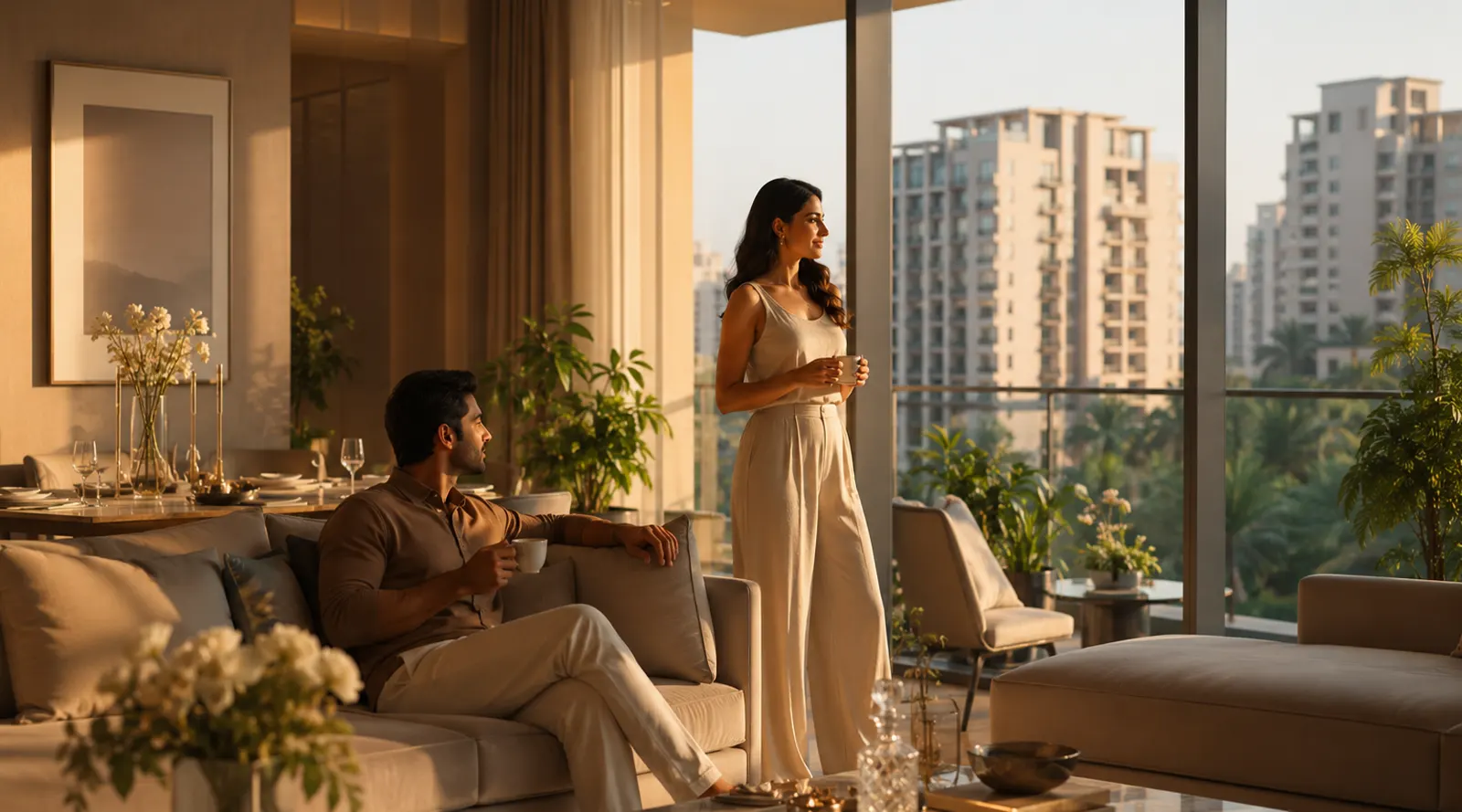
Natural light has a remarkable impact on mood and mental health. Studies have shown that sunlight can improve energy levels, enhance productivity, and reduce feelings of stress and anxiety.
This is one reason why bright, airy homes tend to feel more inviting than dark and enclosed spaces.Features that contribute to a positive atmosphere include:A well-lit home not only looks appealing but also creates a healthier and more uplifting environment for daily living.
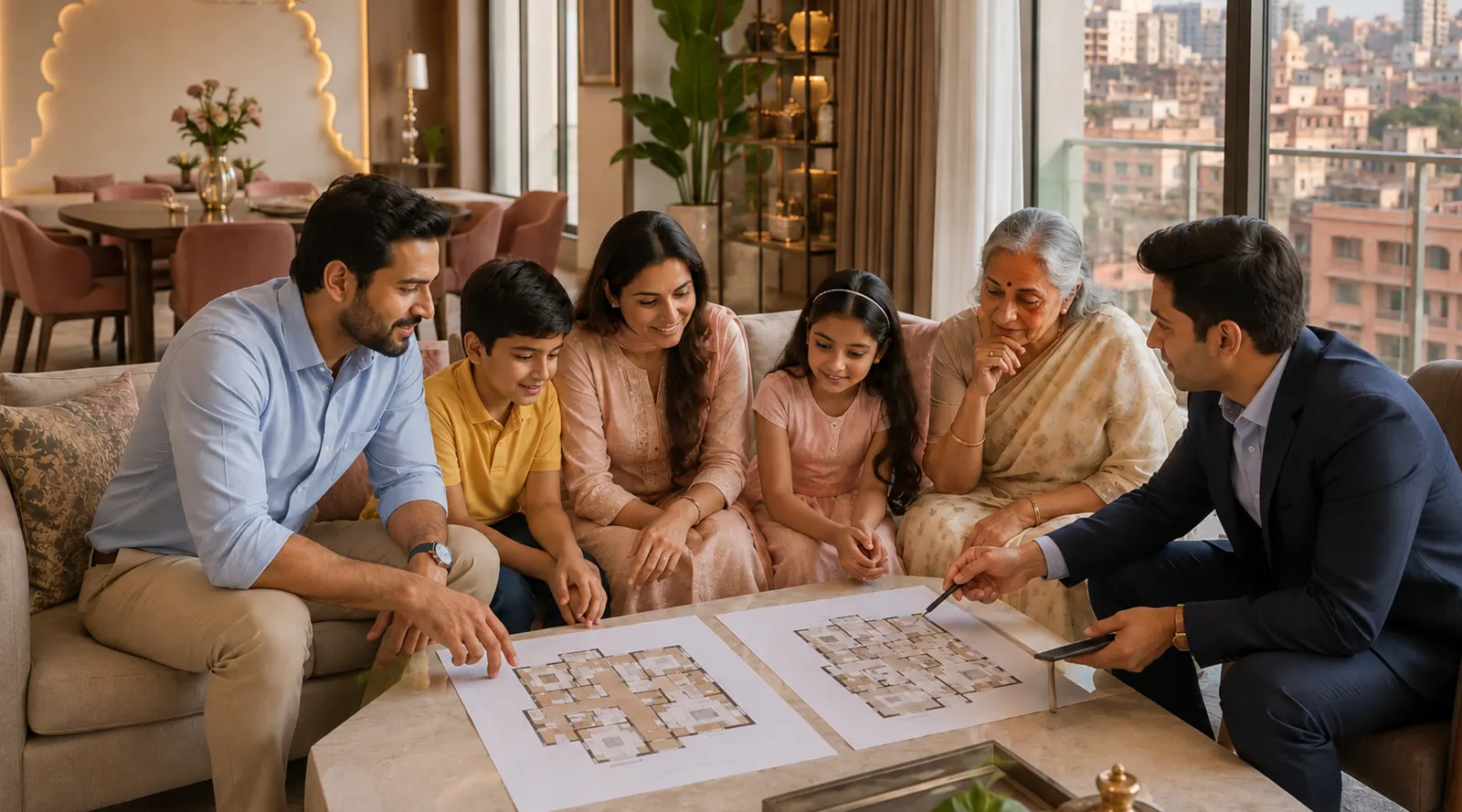
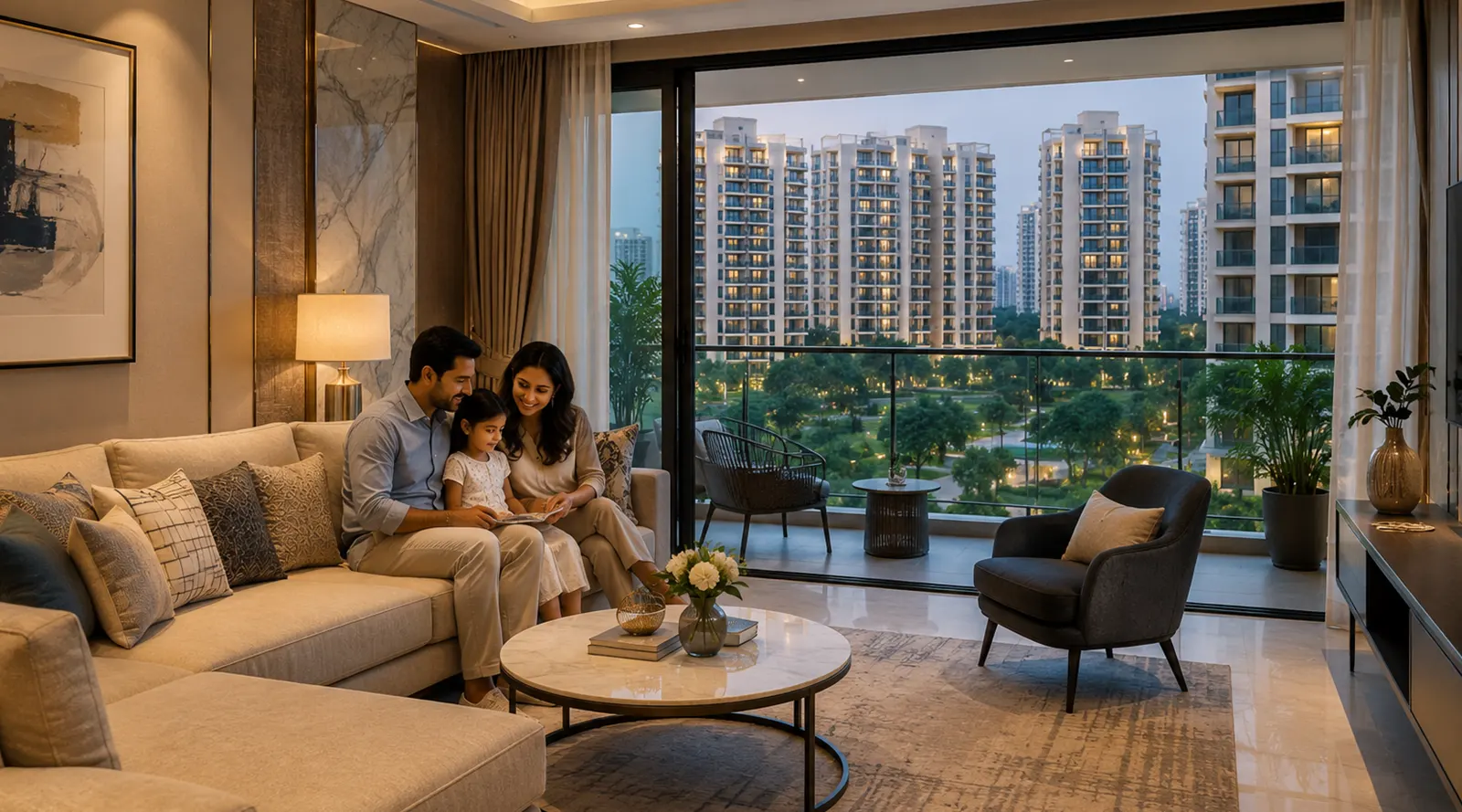
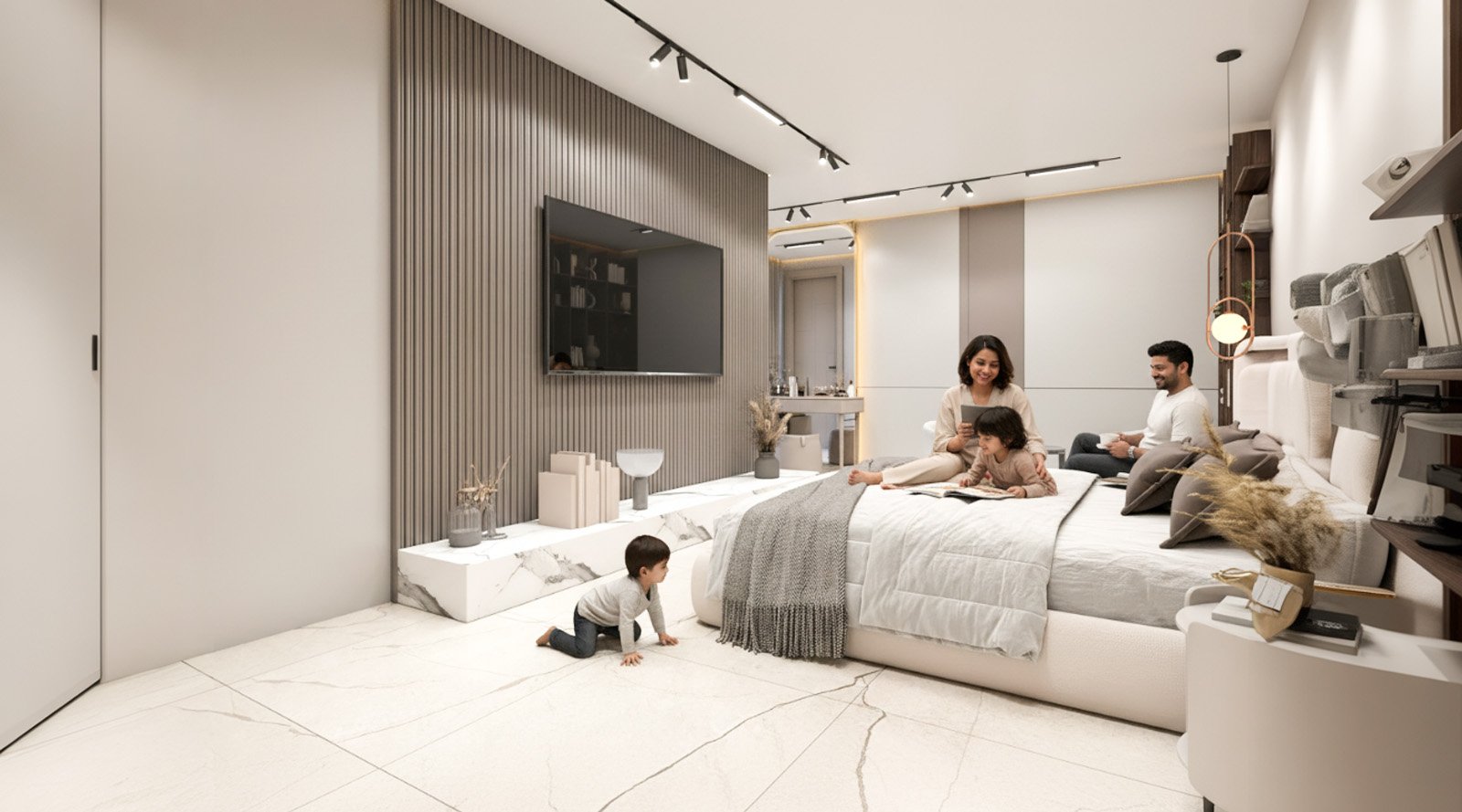
The way a home is designed can significantly influence how people interact with one another.Modern homebuyers increasingly prefer open and spacious layouts because they create a sense of freedom and encourage family interaction.
Whether it's sharing meals, spending time together, or entertaining guests, thoughtfully designed spaces foster stronger relationships.At the same time, a good home balances openness with privacy, ensuring that every family member has a comfortable space to relax and recharge.This combination of togetherness and personal space contributes to a more harmonious living experience.
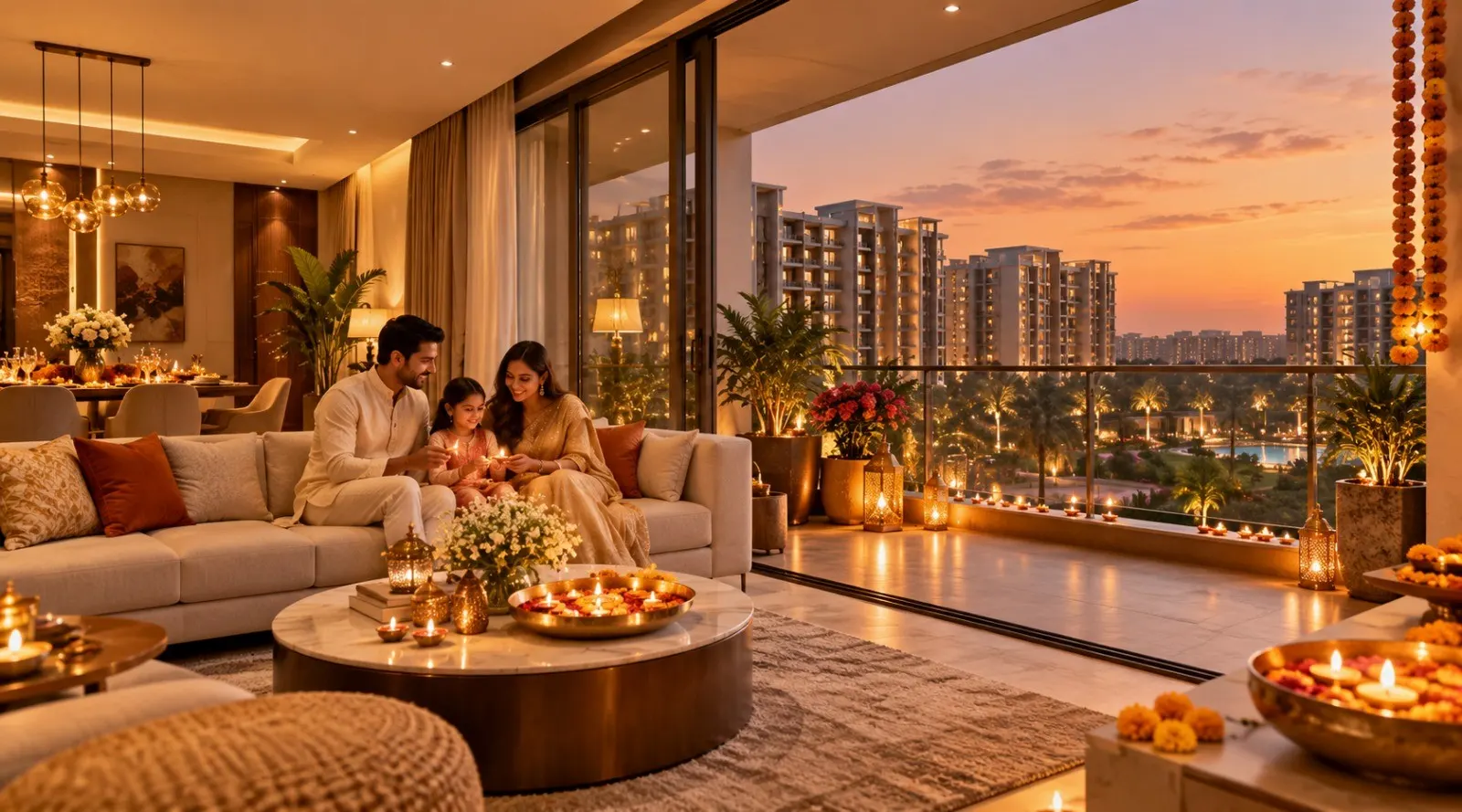
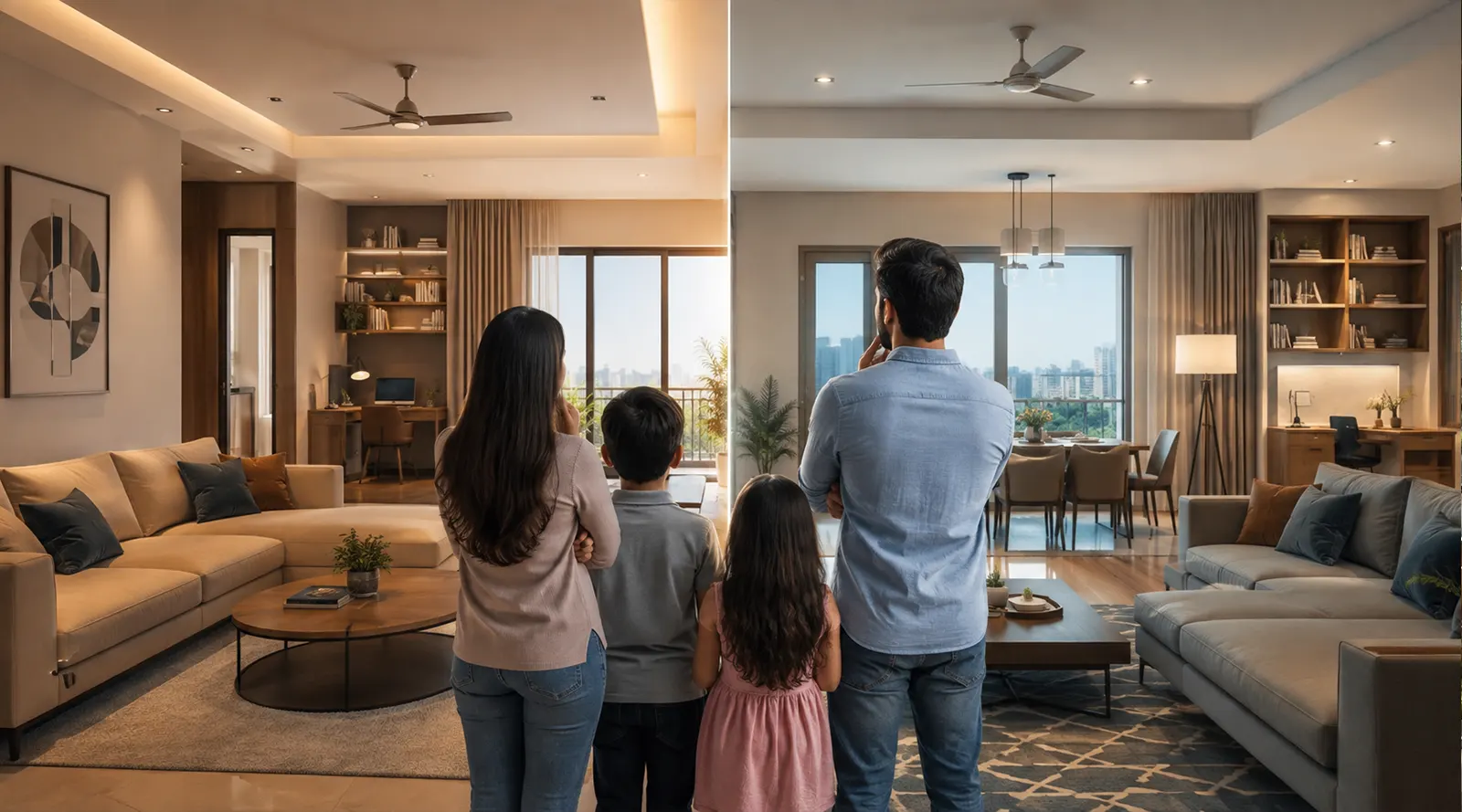
What truly transforms a house into a home are the memories created within it.Birthdays, festivals, family gatherings, celebrations, and everyday moments all contribute to an emotional attachment that grows stronger over time.Many homebuyers subconsciously evaluate a property based on whether they can imagine building their future there. They envision children playing in the living room, family dinners in the dining area, or peaceful mornings on the balcony.The ability to imagine these future experiences often plays a significant role in purchasing decisions.
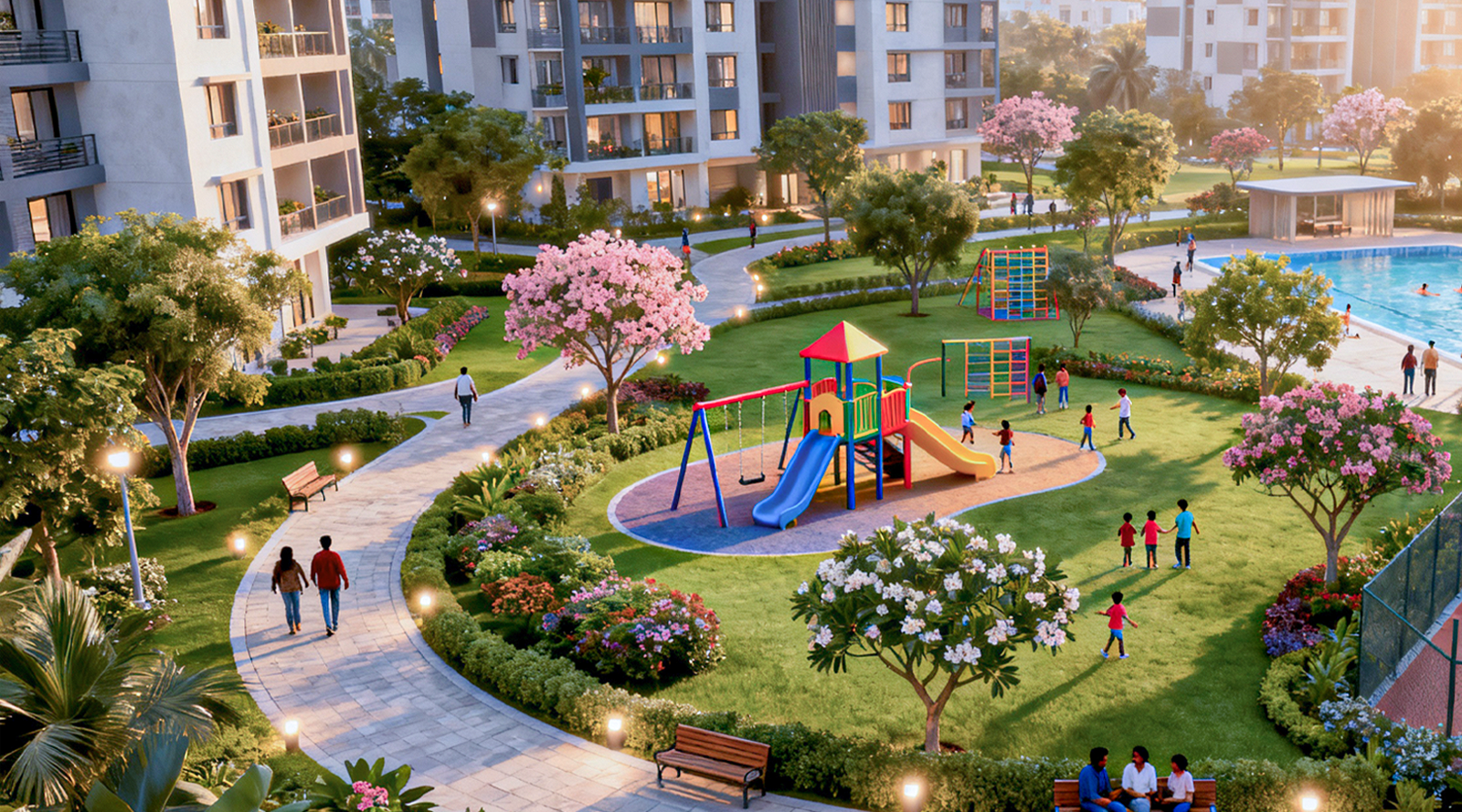
Humans are naturally social beings. Our surroundings influence not only how we live but also how connected we feel to others.This is why community living has become increasingly important in modern residential developments.
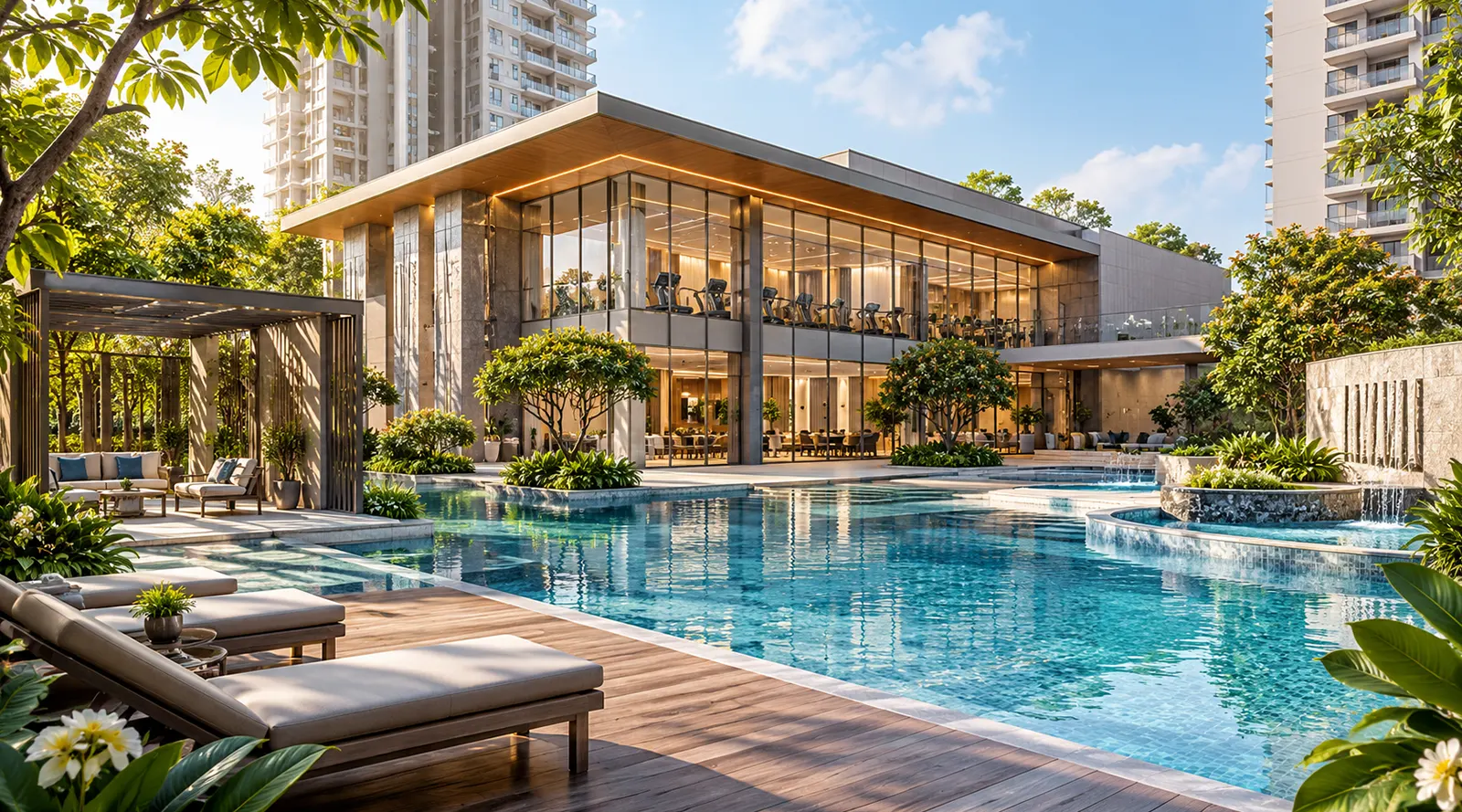
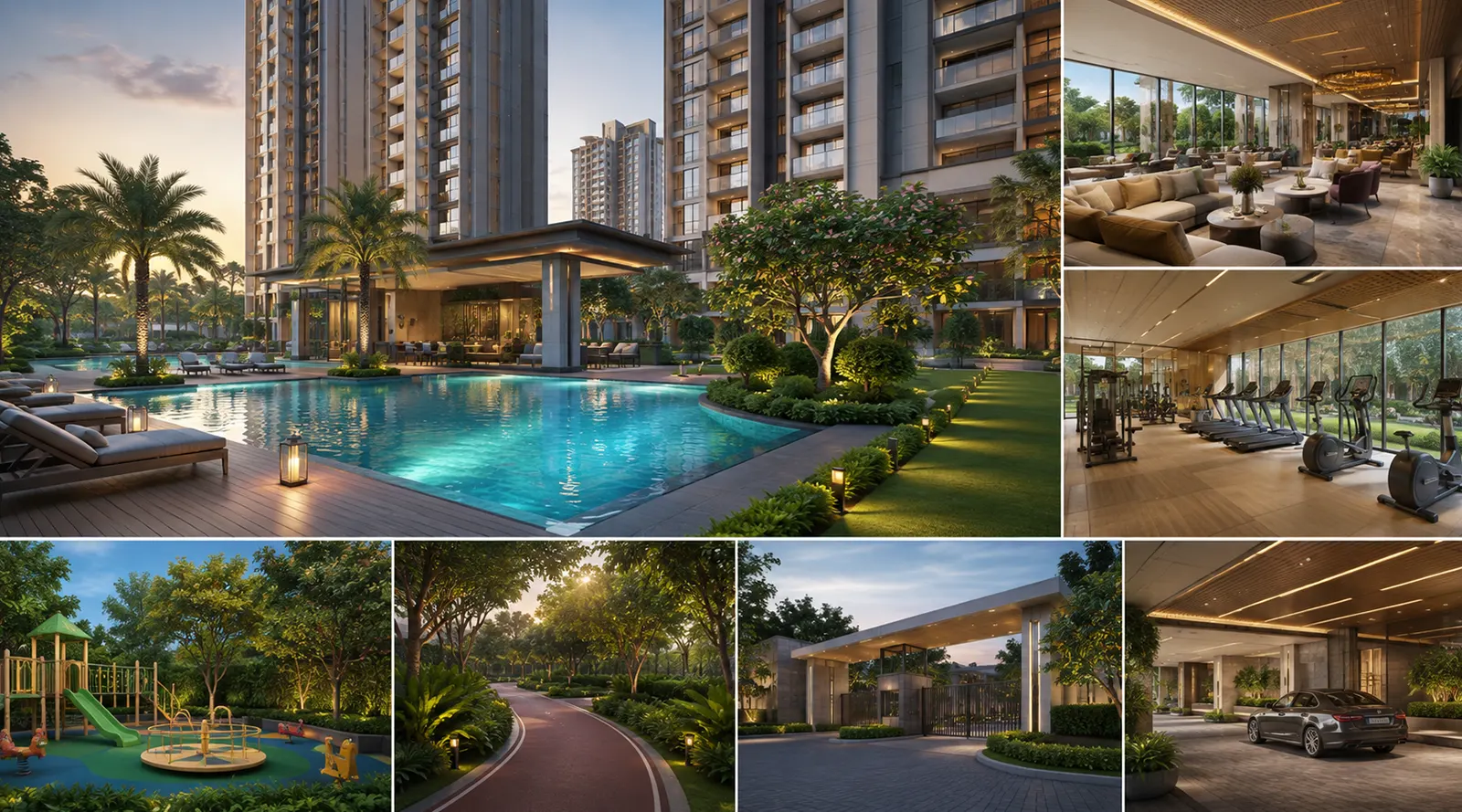
A vibrant residential community offers:Living among like-minded families can foster a sense of belonging and create a support system that enhances overall happiness.For many homeowners, the community is just as important as the home itself.
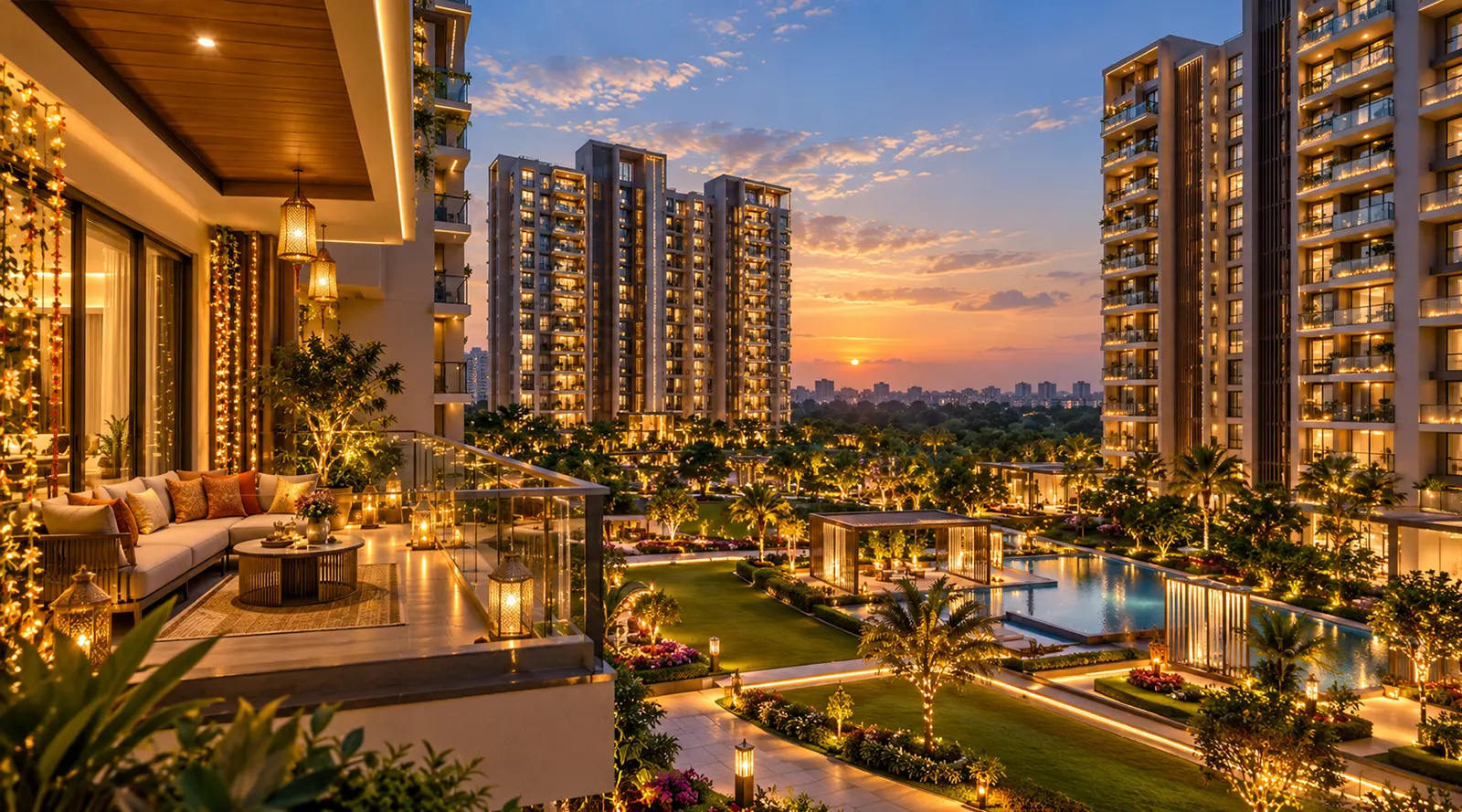
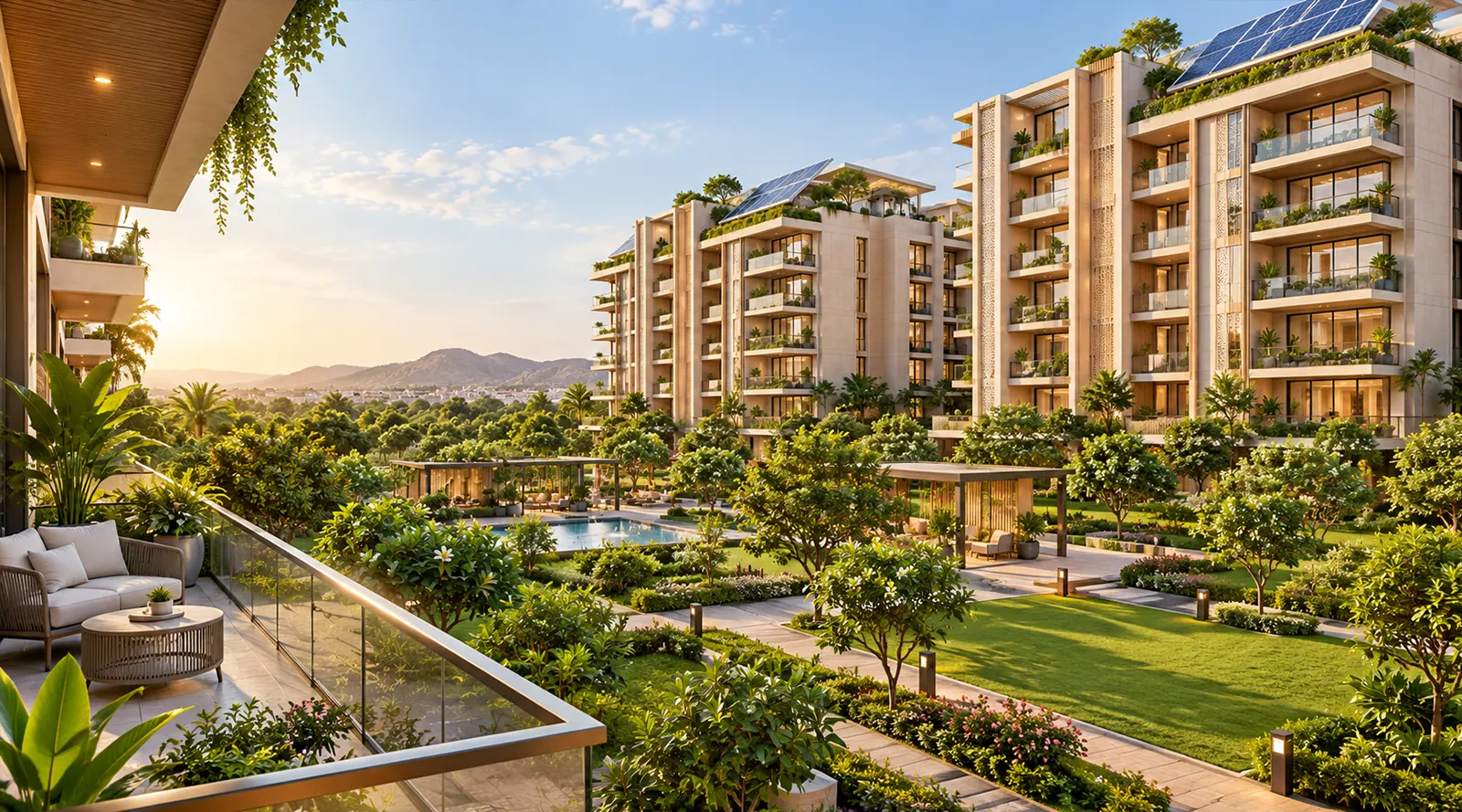
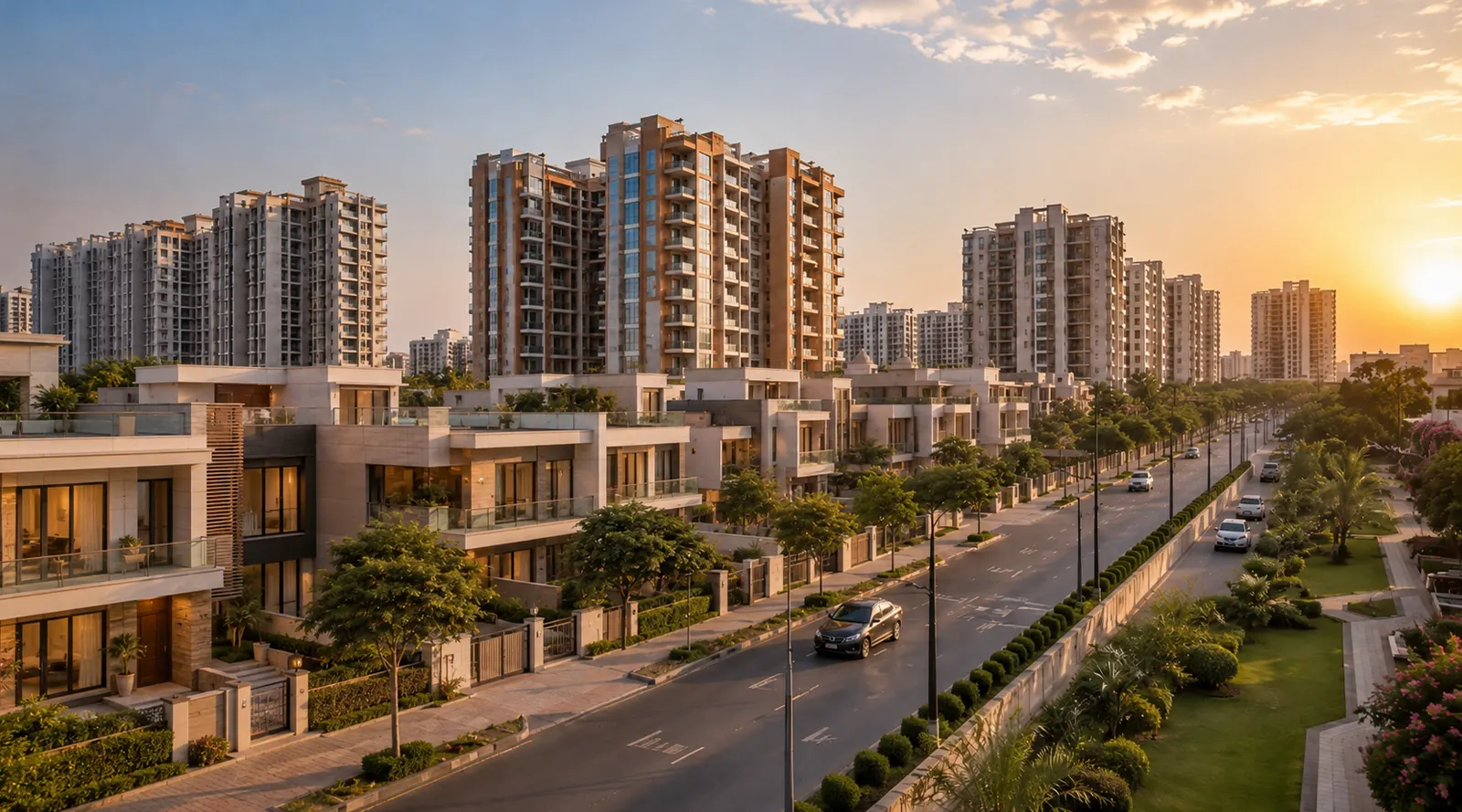
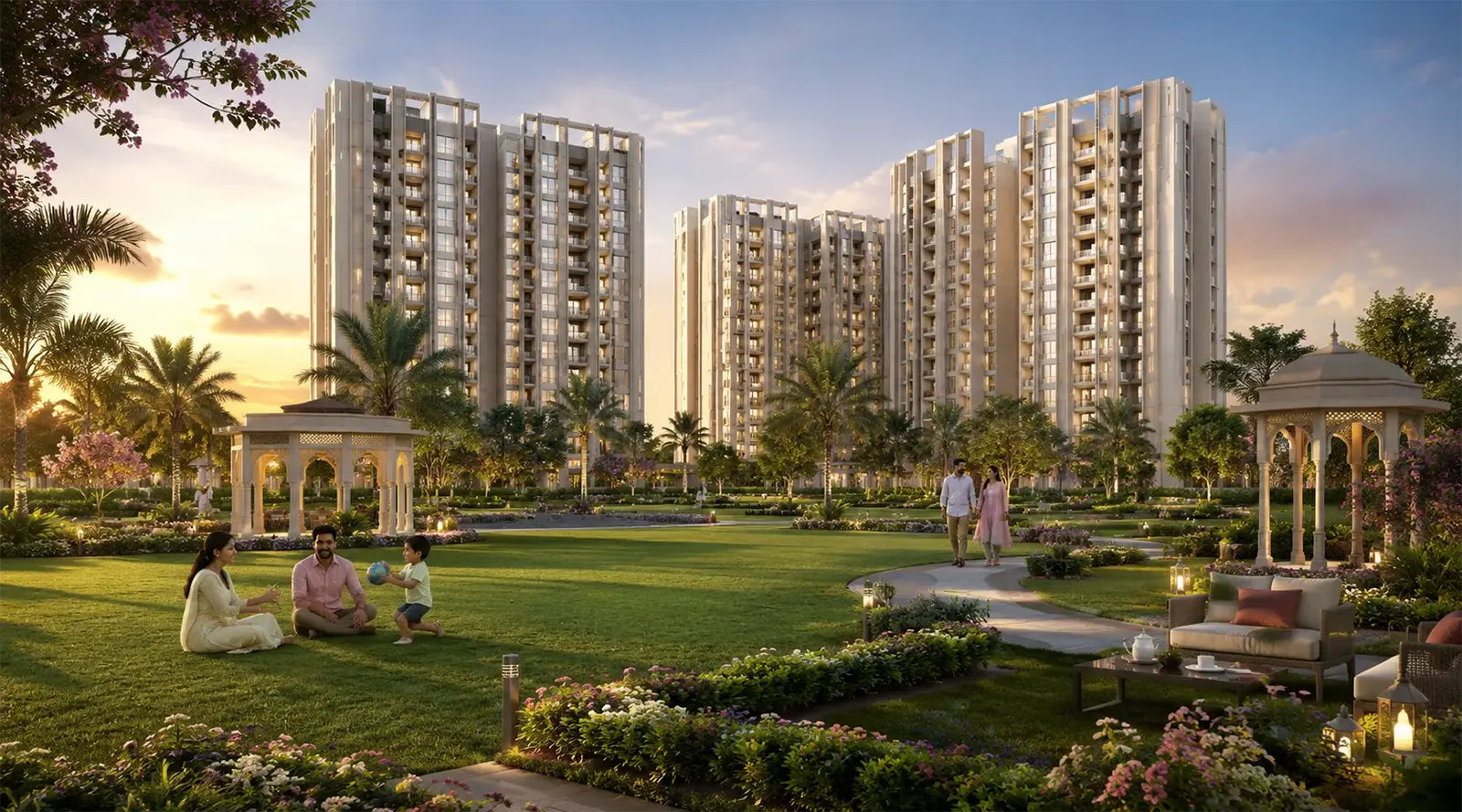
Access to nature has a profound effect on emotional health.Research consistently demonstrates that green spaces can reduce stress, improve mood, and promote relaxation. This explains why residential projects with landscaped gardens, parks, and open areas are becoming increasingly popular.
Benefits of green surroundings include:A home surrounded by greenery provides residents with a refreshing escape from the pressures of urban life.
One of the strongest psychological aspects of homeownership is the ability to personalize a space.Unlike temporary accommodations, a permanent home allows individuals to express their identity through design, décor, and lifestyle choices.Whether it's decorating a bedroom, creating a reading corner, or designing a dream kitchen, personalization helps homeowners develop a deeper emotional connection with their living environment.This sense of ownership and self-expression strengthens feelings of satisfaction and belonging.
While emotional factors are important, practical convenience also contributes significantly to how people feel about their homes.
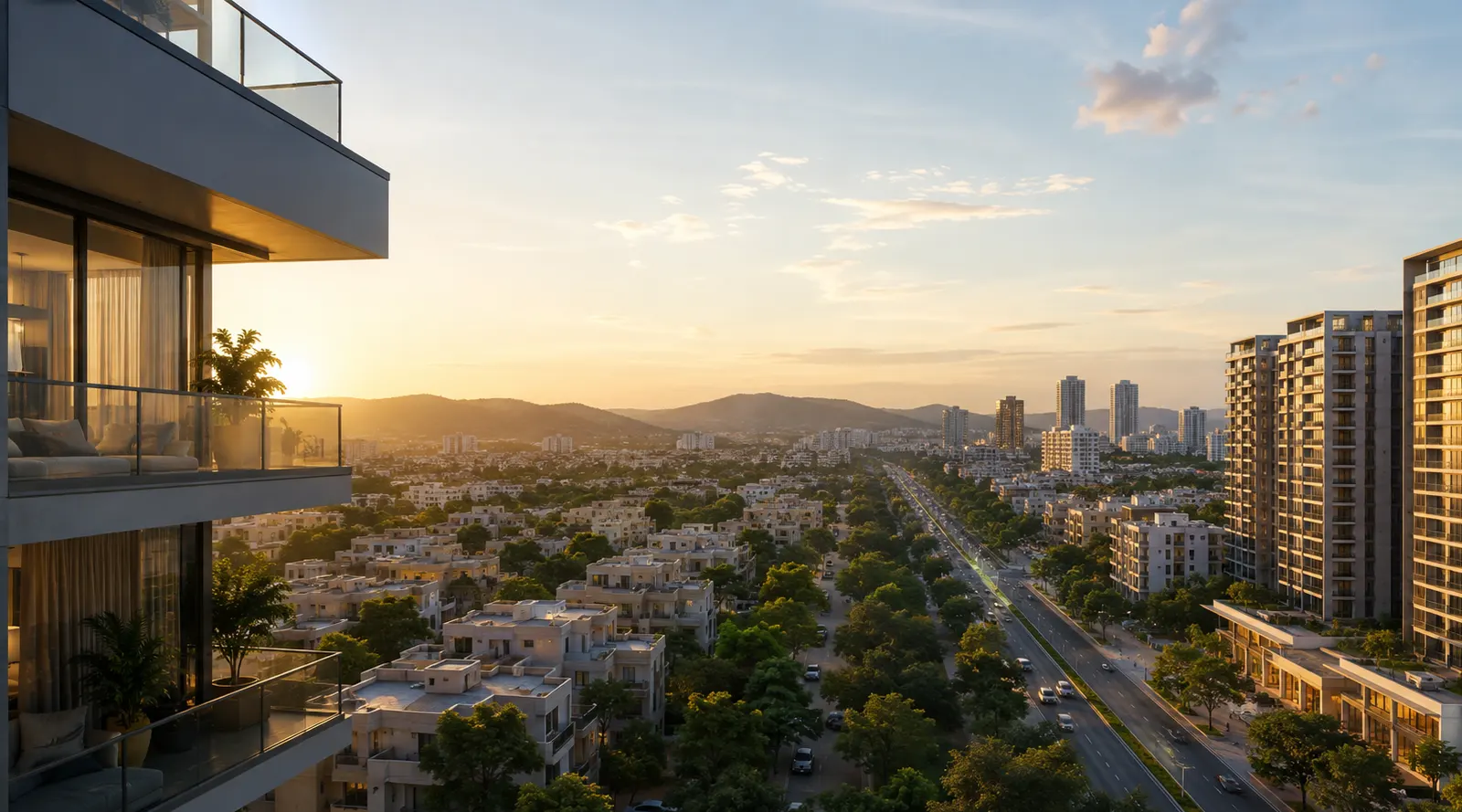
Easy access to:reduces stress and improves overall quality of life.A home located in a well-connected area allows residents to spend less time commuting and more time enjoying meaningful experiences with family and friends.Convenience ultimately contributes to greater daily happiness and long-term satisfaction.
Today's homebuyers are increasingly prioritizing lifestyle, wellness, and emotional fulfillment over purely functional considerations.
They want homes that:As a result, residential developments that combine thoughtful design, premium amenities, green spaces, and community living are becoming the preferred choice for modern families.
A dream home is no longer defined solely by size or location it is defined by how it enhances everyday life.
At
Because at the end of the day, a dream home isn't just about where you live it's about how you live. And finding a home that truly feels like home can make all the difference in creating a fulfilling and meaningful life journey.For today's homebuyers, finding the right home is not simply about purchasing property it's about discovering a place where life can truly unfold.
A house feels like home when it provides comfort, security, emotional connection, and a sense of belonging while supporting the lifestyle and needs of its residents.
Emotional connection helps homebuyers envision their future in a property, making it easier to build memories and develop long-term satisfaction with their investment.
Green spaces reduce stress, improve mental well-being, encourage outdoor activities, and create a healthier living environment for residents.
Gated communities offer enhanced security, lifestyle amenities, social interaction opportunities, and a stronger sense of community, making them attractive to families and professionals.
A well-connected location with easy access to schools, hospitals, workplaces, and entertainment facilities improves convenience and enhances overall quality of life.
“With a strong background in content strategy and creative writing, Sania Kumari has developed compelling content for a wide range of industries. Her interest in real estate drives her to explore homebuyer experiences, emerging market trends, and the emotional journey of finding the perfect home. She believes that great content should inform, inspire, and build lasting trust with its audience. ”






Copyright: © 2025 Kuldhara Builders and Developers All Rights Reserved.
Designed by Being Ingenious Media Pvt. Ltd.