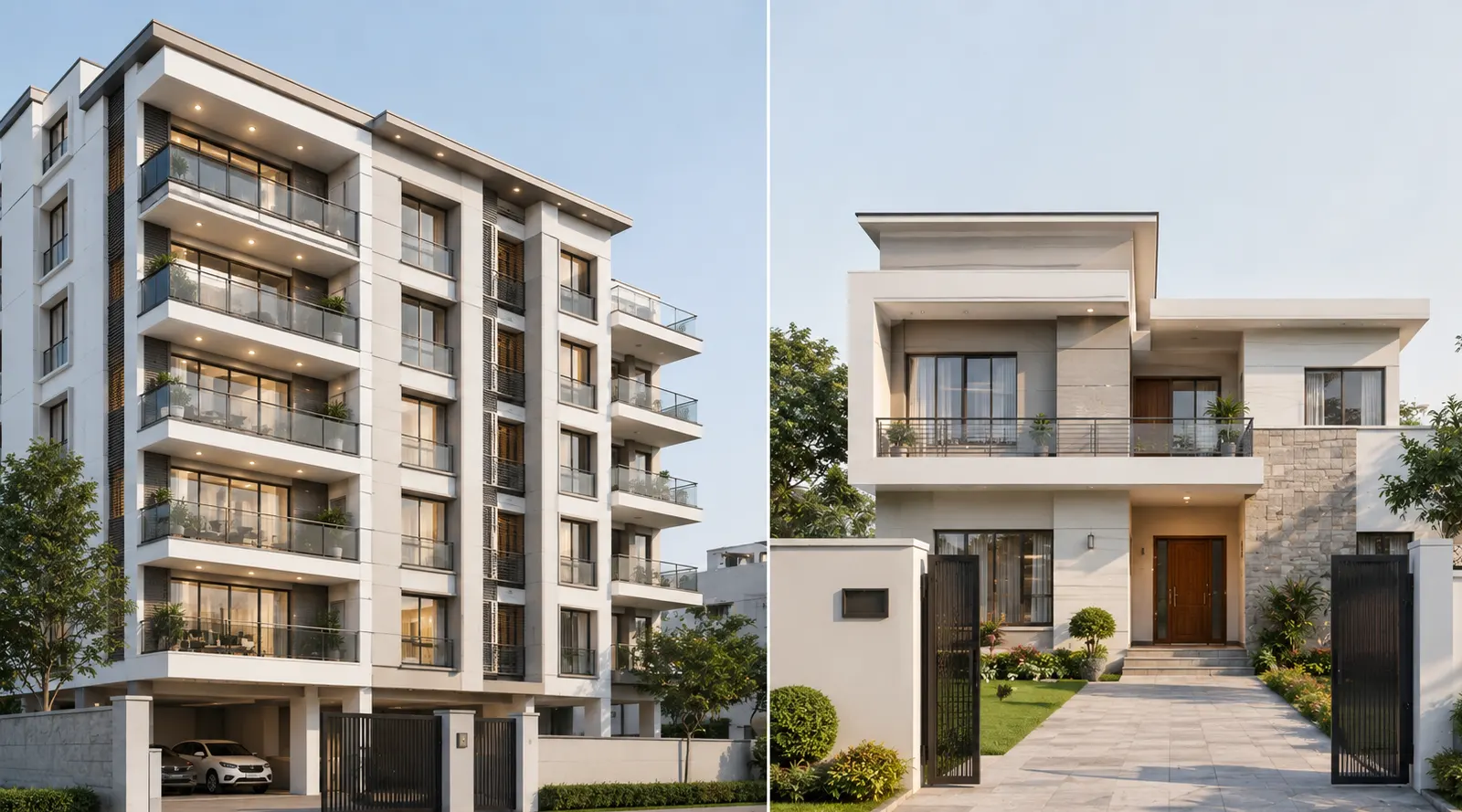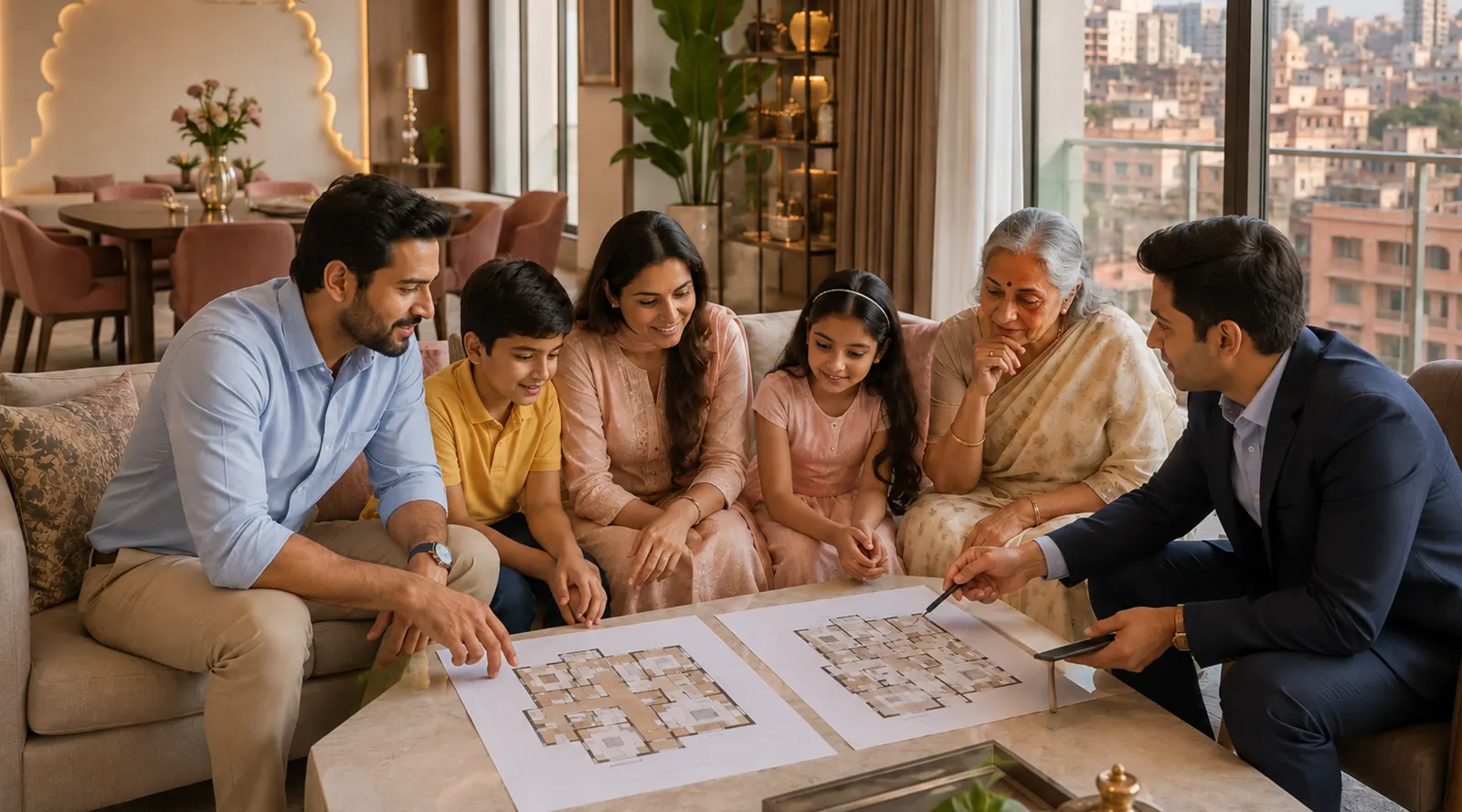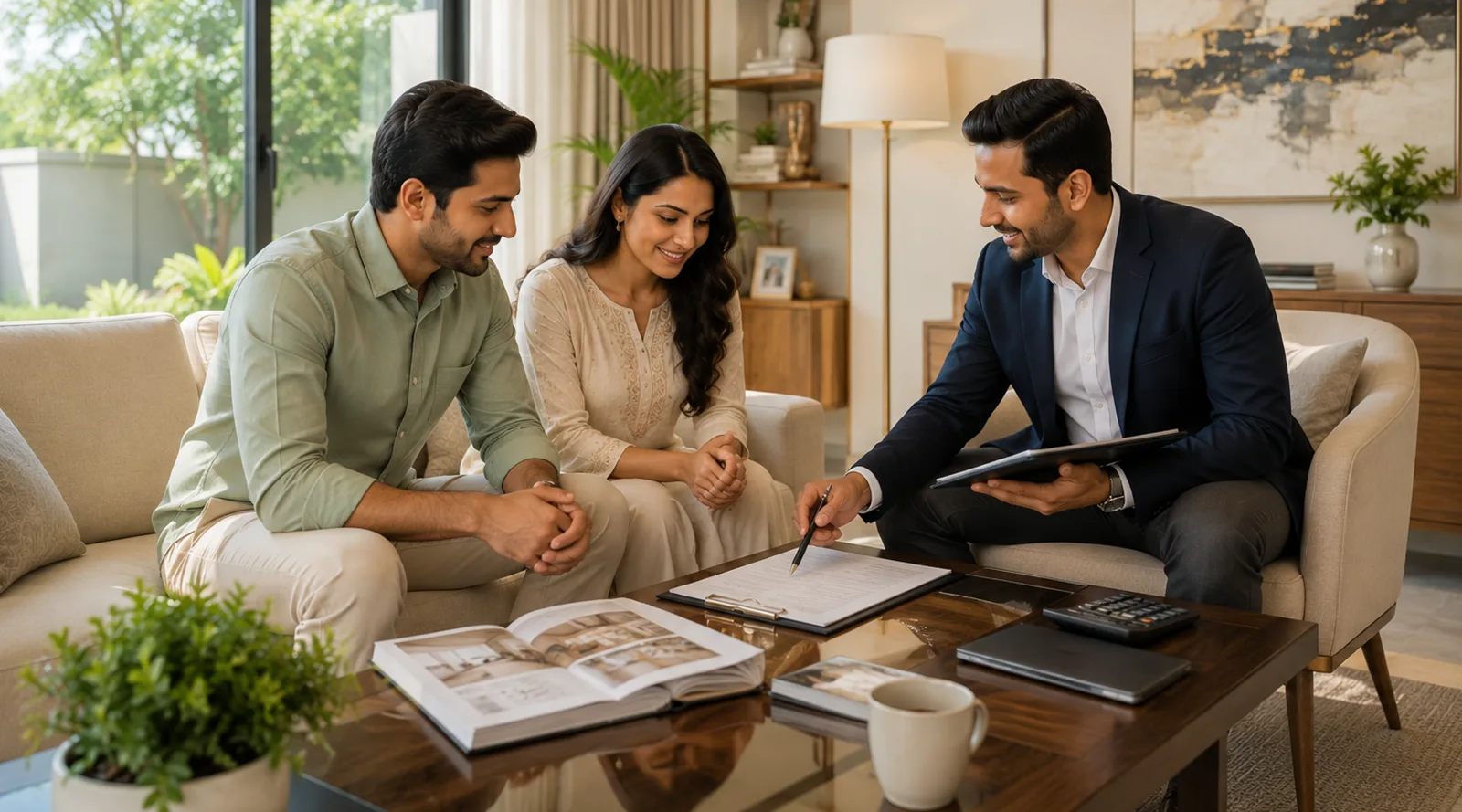

In India, buying a home is rarely a solitary decision it is a family affair. Many buyers at Royal Retreat by Kuldhara Builders & Developers purchase their apartment jointly with a spouse, parent, sibling, or adult child. Joint home ownership is not merely a practical arrangement; it is a legally structured, financially advantageous, and emotionally significant way to make one of life's most important investments. This guide explores the full picture of joint home ownership — the legal framework, the tax benefits, the home loan advantages, and the lifestyle dimensions.
Under Indian property law, any adult individual regardless of gender, relationship, or resident status can be a joint owner of residential property. The most common joint ownership arrangements at Royal Retreat include: spouses (husband and wife), parent and adult child, siblings, and business partners. There is no restriction on the number of joint owners, though lenders typically allow a maximum of two to four co-borrowers on a home loan.
Joint ownership delivers substantial tax advantages that are among the most compelling reasons to structure a property purchase as a joint holding:
For buyers of Royal Retreat's 3 BHK + Study and 4 BHK + Study apartments where home loan amounts may be substantial joint borrowing with a spouse or parent significantly enhances loan eligibility. Banks combine the incomes of all co-borrowers, reducing the EMI-to-income ratio and making higher loan amounts accessible. This is particularly valuable for young professionals whose individual income might otherwise limit their loan eligibility for a premium apartment.
Beyond the legal and financial dimensions, joint home ownership at Royal Retreat has a deeply meaningful family dimension. When parents and children jointly own a home in Vaishali Nagar's finest gated community, they are making a shared statement about the family's aspirations and legacy. The apartment becomes a common asset that unites the family's investment goals, living arrangements, and long-term planning creating a tangible foundation for the family's future.
Joint home ownership at Royal Retreat by Kuldhara Builders & Developers in Vaishali Nagar, Jaipur is a smart legal structure, a powerful financial strategy, and a beautiful family investment. With the combination of stamp duty savings, doubled tax deductions, enhanced loan eligibility, and the emotional richness of a shared family home, joint ownership is often the most advantageous way to structure a premium property purchase.
Joint home ownership means a property is registered in the names of two or more individuals such as spouses, parent and child, or siblings. Each owner has a legally defined share in the property. Joint owners share both the rights (to use, rent, or sell) and the responsibilities (home loan repayment, maintenance) of the property.
In Rajasthan, properties registered with a female owner or with a woman as the first holder attract stamp duty at 4% instead of the standard 5% for male buyers. On a Royal Retreat apartment valued at Rs 1.5 Cr, this saves approximately Rs 1.5 lakh in stamp duty a meaningful financial benefit of including a female co-owner in the registration.
Yes. When a property is jointly owned and both owners are co-borrowers on the home loan, each can independently claim the home loan interest deduction under Section 24(b) up to Rs 2 lakh per annum each and the principal repayment deduction under Section 80C up to Rs 1.5 lakh per annum each. This effectively doubles the household's total annual tax saving compared to a single-owner structure.
Yes. An NRI and a resident Indian (for example, an NRI child and resident Indian parent) can jointly own residential property in India. The purchase is funded through the NRI's NRE or NRO account or through overseas remittance. However, it is advisable to consult a FEMA and tax advisor to structure the joint ownership optimally for both parties' regulatory and tax situations.
The outcome depends on the nature of the joint ownership. If the property is held as 'joint tenancy with right of survivorship,' the surviving owner inherits the deceased's share automatically. If held as 'tenancy in common,' the deceased's share passes to their legal heirs as per their will or succession law. Consulting a property lawyer when structuring joint ownership is strongly recommended.
Adding your spouse as a joint owner at Royal Retreat is generally advisable for multiple reasons: it qualifies for the female co-owner stamp duty concession in Rajasthan, doubles the household's home loan tax deductions, combines incomes for better loan eligibility, simplifies property succession, and creates a shared family asset. Kuldhara's team can facilitate joint ownership registration smoothly.
“With a strong background in content strategy and creative writing, Tanvi Varshney has developed compelling content for a wide range of industries. Her interest in real estate drives her to explore homebuyer experiences, emerging market trends, and the emotional journey of finding the perfect home. She believes that great content should inform, inspire, and build lasting trust with its audience. ”









Copyright: © 2025 Kuldhara Builders and Developers All Rights Reserved.
Designed by Being Ingenious Media Pvt. Ltd.